Archives
- 2026-07
- 2026-06
- 2026-05
- 2026-04
- 2026-03
- 2026-02
- 2026-01
- 2025-12
- 2025-11
- 2025-10
- 2025-09
- 2025-03
- 2025-02
- 2025-01
- 2024-12
- 2024-11
- 2024-10
- 2024-09
- 2024-08
- 2024-07
- 2024-06
- 2024-05
- 2024-04
- 2024-03
- 2024-02
- 2024-01
- 2023-12
- 2023-11
- 2023-10
- 2023-09
- 2023-08
- 2023-07
- 2023-06
- 2023-05
- 2023-04
- 2023-03
- 2023-02
- 2023-01
- 2022-12
- 2022-11
- 2022-10
- 2022-09
- 2022-08
- 2022-07
- 2022-06
- 2022-05
- 2022-04
- 2022-03
- 2022-02
- 2022-01
- 2021-12
- 2021-11
- 2021-10
- 2021-09
- 2021-08
- 2021-07
- 2021-06
- 2021-05
- 2021-04
- 2021-03
- 2021-02
- 2021-01
- 2020-12
- 2020-11
- 2020-10
- 2020-09
- 2020-08
- 2020-07
- 2020-06
- 2020-05
- 2020-04
- 2020-03
- 2020-02
- 2020-01
- 2019-12
- 2019-11
- 2019-10
- 2019-09
- 2019-08
- 2019-07
- 2019-06
- 2019-05
- 2019-04
- 2018-07
-
Some limitations of this study must be noted
2021-04-30
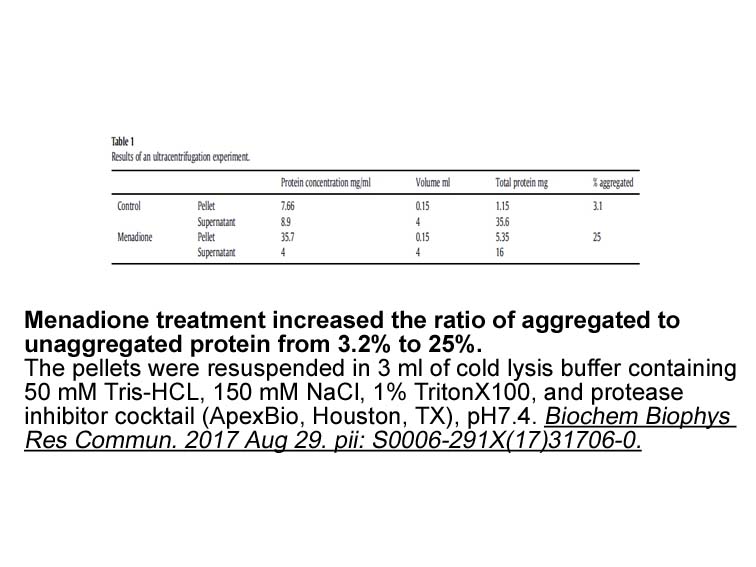
Some limitations of this study must be noted. First, since the pretransplant evaluation of the T-cell immune response was performed just before transplantation, we cannot establish whether samples obtained at different times before the transplant would offer similar results, since end terminal disea
-
Evidence for interactions between the endothelin and the
2021-04-30

Evidence for interactions between the endothelin and the angiotensin system has also become plentiful. It has become clear that the two systems, in addition to acting independently, can act synergistically (Emori et al., 1989, Imai et al., 1992) as well as promote the peptide mRNA expression in endo
-
Previous in vitro and in vivo studies have shown the
2021-04-30
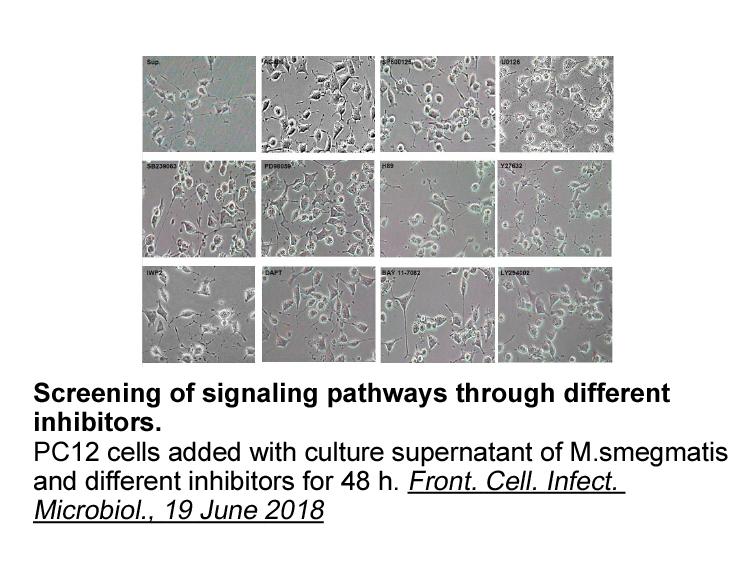
Previous in vitro and in vivo studies have shown the potent ability of toll-like receptor (TLR) ligands and type I interferon (IFN) signaling to induce CH25H in macrophages and DCs following exposure to innate immune stimuli (Bauman et al., 2009; Diczfalusy et al., 2009; Park and Scott, 2010; Zou et
-
In another study Nutlin a mediated p activation
2021-04-30
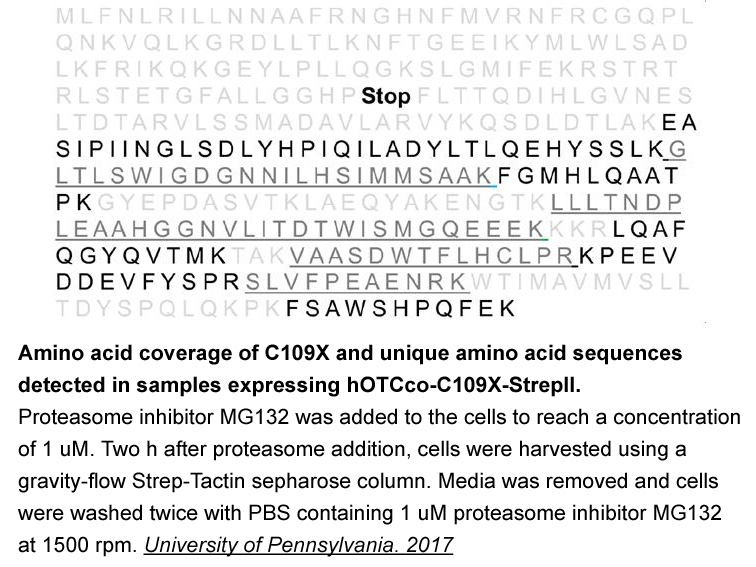
In another study, Nutlin-3a-mediated p53 activation induced strong negative impact on NF-κB signaling in LPS-stimulated neutrophils and macrophages [34]. Nutlin-3a limited cellular immune response to LPS, partly by attenuating DNA binding activity of NF-κB and impairing transcription of its target c
-
Oysters belong to the second largest animal phylum Mollusca
2021-04-30
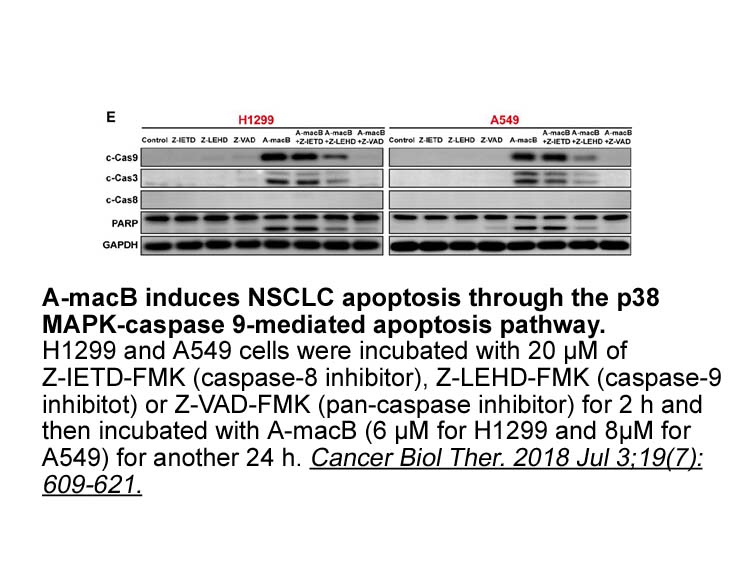
Oysters belong to the second largest animal phylum Mollusca, and they are globally distributed aquaculture animals (Wang et al., 2018). A number of studies have demonstrated that oysters have evolved an integrated and complex innate immune system to recognize and eliminate various invaders. An array
-
Some mechanistic experiments performed in the early s
2021-04-30
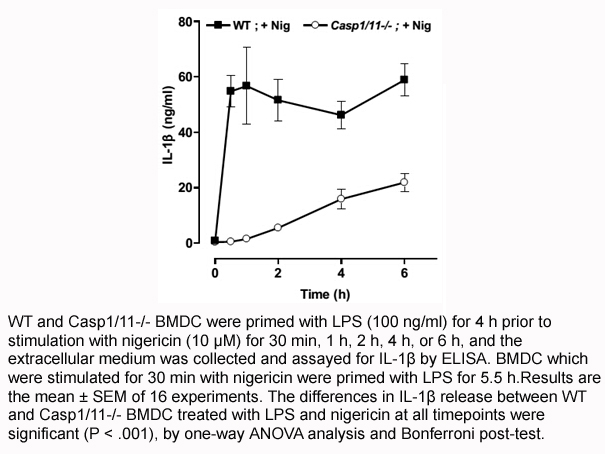
Some mechanistic experiments performed in the early 2000s by Ongusaha et al. [78], suggest that DDR1 induction protects Mitomycin C from apoptosis in a p53-dependent manner, and that impairment of DDR1 expression or function leads to a pronounced increase of DNA damage-induced apoptosis. This evide
-
br CDK Regulators as Coactivators of NF B
2021-04-30

CDK Regulators as Coactivators of NF-κB and STAT CDK regulating proteins also have the ability to control the inflammatory response. The p21CIP1 protein binds to and inhibits the activity of cyclin–CDK4/6 and cyclin–CDK1/2 complexes. Consistent with its ability to inhibit CDK activity, deletion o
-
br Acknowledgement This research was supported
2021-04-30
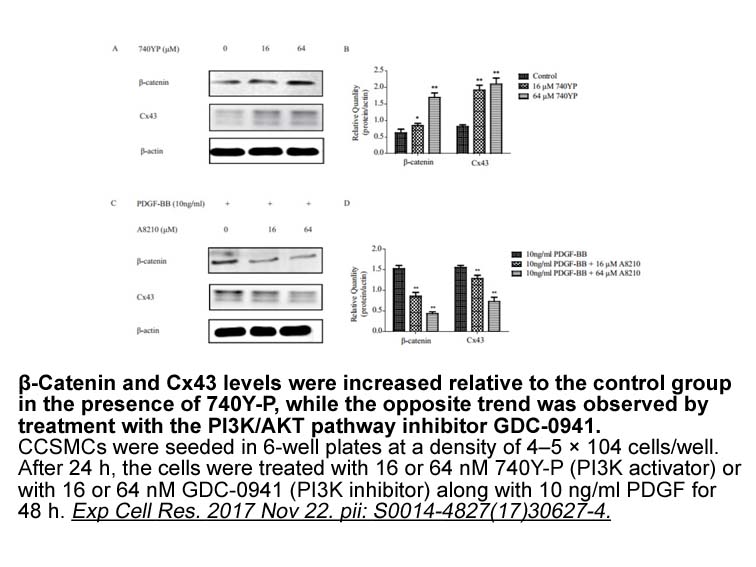
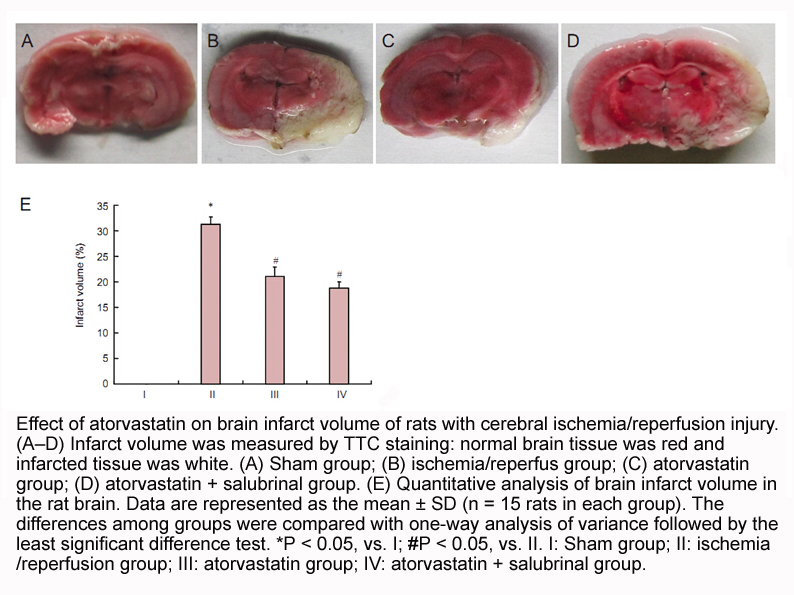
Acknowledgement This research was supported by a grant from the National Research Foundation of Korea (NRF-2013R1A1A2011238) funded to Young-Mi Lee. Introduction Stroke is considered a serious disease with high morbidity and high mortality. More than 6 million deaths are reported each year wo
-
The quantification and monitoring of ChEs enzymatic
2021-04-29

The quantification and monitoring of ChEs enzymatic activities have traditionally been associated to environmental studies in order to diagnose the exposure of non-target organisms to specific anti-cholinesterasic agents (Nunes, 2011). The importance of these enzymes as biomarkers of environmental c
-
Endothelins ETs are peptides expressed in both the periphera
2021-04-29
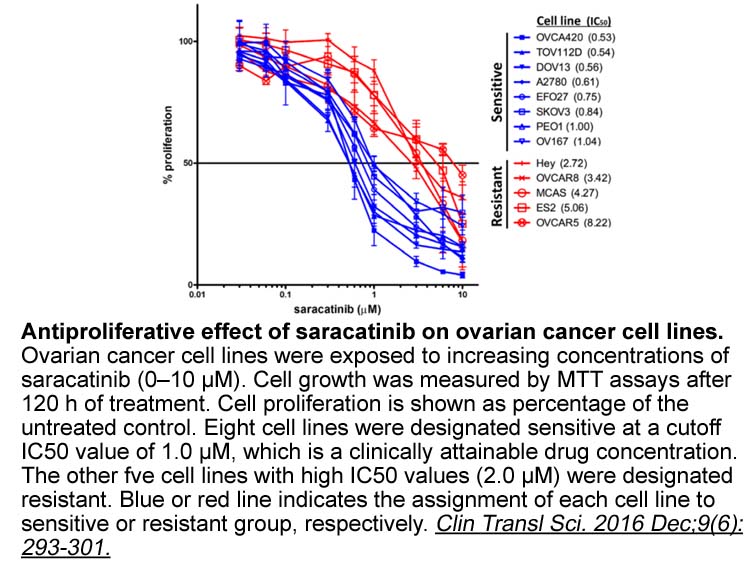
Endothelins (ETs) are peptides expressed in both the peripheral and the central nervous systems, which can contribute to sensory changes seen in animal models of inflammatory, cancer and neuropathic pain [10], [11]. All three mammalian isoforms (ET-1, ET-2 and ET-3) activate specific G protein-coupl
-
MoAbs targeting the tumourigenic pathways such as IGF R
2021-04-29
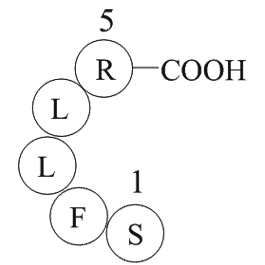
MoAbs targeting the tumourigenic pathways, such as IGF-1R may theoretically have a dual working mechanism. On the one hand they block pathways having an anti-tumour working mechanism, and on the other hand they may also stimulate an immunological response inducing a reaction of the patients own immu
-
Importantly our in vivo data fit
2021-04-29
Importantly, our in vivo data fit to the in vitro data, further confirming the synergistic effect of XJD and gefitinib on the inhibition of lung cancer and the regulation of SP1, HOTAIR, and EP4 Triptolide levels. The doses of XJD used were based on our previous in vivo study (Zhao et al., 2016). We
-
SYN-117 br Conflict of interest statement br References and
2021-04-29
Conflict of interest statement References and recommended reading Papers of particular interest, published within the period of review, have been highlighted as: Acknowledgements We acknowledge financial support by the Swiss State Secretariat for Education, Research and Innovation (Federal
-
br Conformational Activation of APC C Enables Binding to the
2021-04-29
Conformational Activation of APC/C Enables Binding to the Coactivator CDC20 APC/C comes to life by binding a coactivator. This is controlled in part by phosphorylation and APC/C conformational changes that expose the Temozolomide for the C box and IR tail of the coactivator. In interphase when m
-
COH inhibited global SUMOylation in cells and blocked the E
2021-04-29
COH000 inhibited global SUMOylation in Trequinsin hydrochloride and blocked the E1 catalyzed attachment of SUMO to the corresponding conjugating enzyme Ubc9, but not the attachment of ubiquitin or NEDD8 to their respective E2s, confirming inhibition and specificity in cellulo. Consistent with previo
16683 records 719/1113 page Previous Next First page 上5页 716717718719720 下5页 Last page